

A BRIEF HISTORY OF NORTH MEOLS

North Meols played a significant role in the development of the town of Southport. In the early 19th century, North Meols was the larger of the two settlements, with a population of around 4,000, while Southport was a small fishing village with only a few hundred inhabitants.
However, the opening of the Leeds and Liverpool Canal in 1816 and the arrival of the railway in 1851 helped to transform Southport into a popular seaside resort, attracting wealthy visitors from Liverpool and Manchester. Many of these visitors also invested in the development of new buildings, attractions, and infrastructure in Southport, helping to fuel its growth.
Today, Southport is a thriving town with a population of over 90,000, and is known for its historic landmarks, vibrant cultural scene, and beautiful beaches. Despite its growth and development, North Meols remains an important part of the area’s history and identity, with many of its historic buildings and landmarks still standing and serving as reminders of the area’s rich heritage.
Location
North Meols is an area located in the West Lancashire district of Lancashire, England. The history of North Meols dates back to the prehistoric times, with evidence of human habitation in the form of flint tools and weapons dating back to the Neolithic era.


16th and 17th Century
During the 16th and 17th centuries, North Meols saw significant growth, with the establishment of several new settlements and the expansion of existing ones. The area’s location near the port of Liverpool also made it an important center for trade and commerce.
19th Century
In the 19th century, North Meols continued to grow and develop, with the construction of new roads and railways connecting it to other parts of the country. The area also saw the development of new industries, including brickmaking and glassmaking.

Modern Day
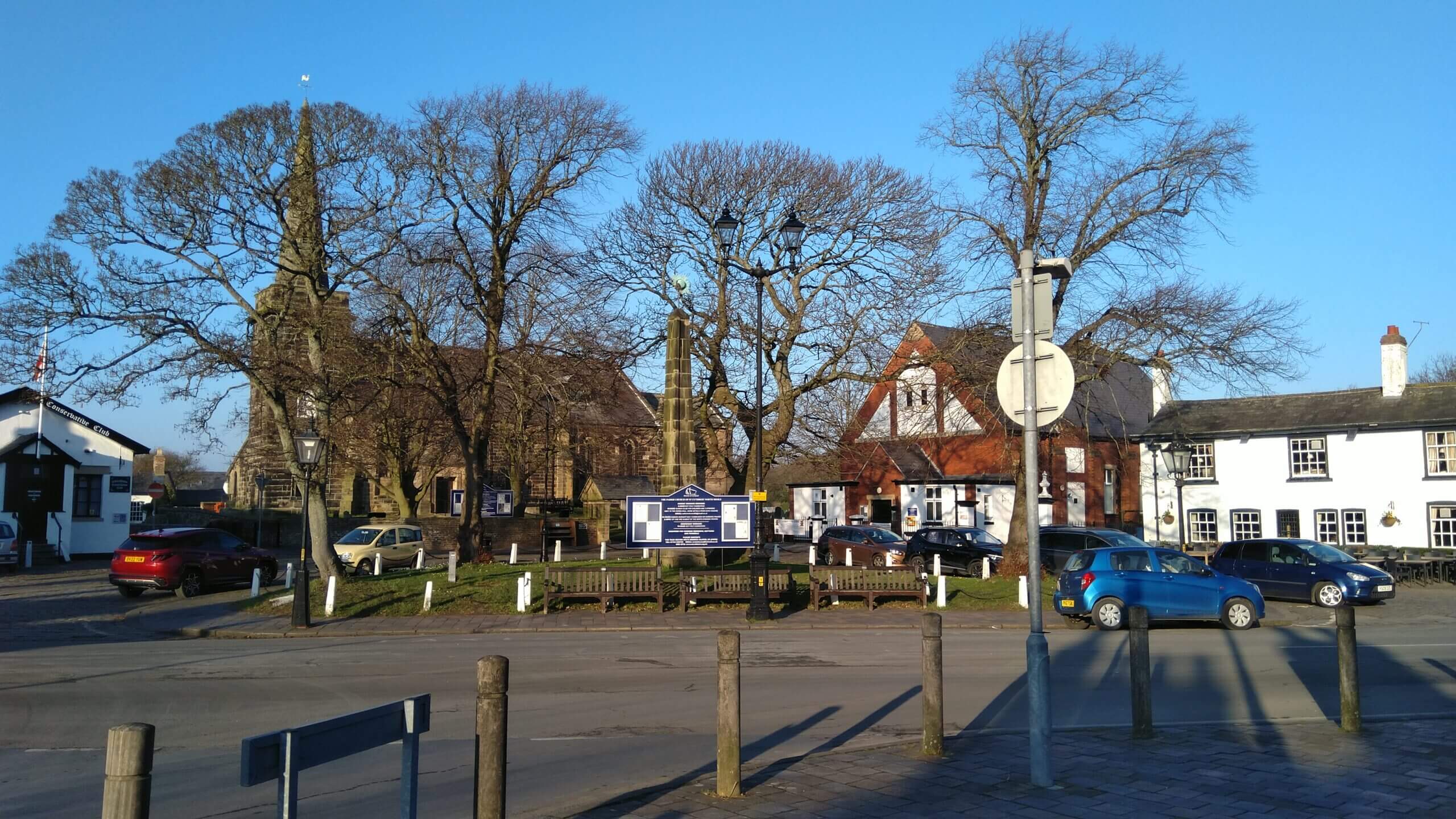
Today, North Meols and the greater Southport area, is a popular tourist destination, known for its sandy beaches, historic landmarks, and natural beauty. The area is home to several nature reserves, including the Ribble Estuary National Nature Reserve and the Martin Mere Wetland Centre, which attract thousands of visitors each year.
The Name
The name North Meols comes from the Old Norse “melr”, meaning sandbank or sand dune, and refers to the sandy coastline of the area. In the Middle Ages, North Meols was known for its farming, fishing, and salt production. The area was also home to a number of small villages, including Churchtown, Crossens, Banks, and Marshside.
